


THANK YOU FOR SUBSCRIBING
Weekly Brief
Be first to read the latest tech news, Industry Leader's Insights, and CIO interviews of medium and large enterprises exclusively from Healthcare Tech Outlook
A featured contribution from Leadership Perspectives: a curated forum reserved for leaders nominated by our subscribers and vetted by our Healthcare Tech Outlook Advisory Board.

North West Anglia NHS Foundation Trust
A Journey of Compassion and Equity in Healthcare Leadership
Callum Gardner is an experienced executive with a strong background in the hospital and healthcare industry. His expertise includes Director-level leadership, Medico-legal Consulting, Acute and General Medicine, Organisational Leadership and Military Medicine.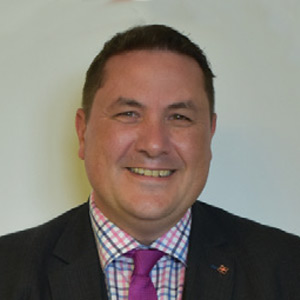
Dr Callum Gardner FRCP
Recognising Callum Gardner’s leadership in driving healthcare excellence, this exclusive interview explores his insights on North West Anglia NHS Foundation Trust's innovative strategies, technology adoption and vision for the future of patient care.
AT A GLANCE:
● Our focus is on addressing staff burnout in healthcare settings. We emphasise initiatives to support a diverse workforce, including internationally trained doctors, while promoting leadership opportunities for Speciality Doctors.
● The goal is to emphasise the importance of respecting all staff roles, promoting equal opportunities, and fostering a supportive work environment free from discrimination.
The Journey: Experienced Medical Executive and Leader in Healthcare
I graduated from Edinburgh University in 1999 and then spent nearly 18 years in the Royal Navy, working in both NHS and military establishments. In February 2011, I joined Peterborough City Hospital for my first consultant post and, about nine months later, became the Associate Medical Director for Patient Experience. Two and a half years after that, I took on the role of Deputy Medical Director for the trust, coinciding with my redundancy from the Royal Navy.
After five years in that position, Peterborough City Hospital then merged with Hinchingbrooke Hospital to form North West Anglia NHS Foundation Trust. I was then appointed Divisional Director for Urgent and Emergency Care and Medicine. After 18 months in that role, I moved to Rotherham District General Hospital in Yorkshire as Medical Director, where I served for four years, navigating the challenges of COVID-19.
In September 2022, I returned to North West Anglia as the Medical Director/Chief Medical Officer and Responsible Officer, and I have been in this role for nearly two years.
The Challenges: Addressing Staff Burnout and Fostering Inclusivity in Medical Leadership
Our biggest challenge is the risk of staff burnout. This is partly due to the pressures of COVID-19 and the crucial task of recovering waiting lists. Overall, many staff members are exhausted. Both NHS and I have prioritized staff health and wellbeing. It's vital to support our staff personally and professionally by offering services like counselling, psychological support, and fitness programs. We are also working to ease administrative burdens by improving digital systems.
“Everyone, regardless of their role or background, plays a crucial part in delivering the best possible care to our patients.”
In both Rotherham and here, I've focused on supporting medical and dental staff at all levels. We are fortunate to have a diverse workforce, with many internationally trained doctors and 56 different languages spoken among our staff. It's crucial to provide adequate support for internationally recruited staff, particularly those in speciality or trust doctor roles.
Since my arrival, I've ensured that all senior medical leadership positions are open to Speciality Doctors, most of them are internationally trained. This approach has been important for fostering leadership development and has been well-received.
Leadership Philosophy: Advocating Fairness and Equality
I'm committed to fairness and equity, ensuring everyone has the same opportunities and is treated with respect, regardless of their background. Personal and professional values are extremely important to me. I make it a point to call out any behaviour that doesn't align with these values, encouraging others to do the same. We all face challenging jobs and strive to do our best for our patients. Evidence shows that when people feel safe, supported and valued at work, free from discrimination—be it around race, sexuality or any other factor—they provide better care.
It's a core philosophy of mine to uphold these values and ensure equal opportunities for everyone, as reflected in various initiatives I've implemented. While I may be the CMO responsible for just over 1,000 doctors, I am no more important than a porter, a volunteer or a healthcare support worker. Each of us plays a crucial role in delivering the best possible care to our patients.
Over the past 30 years, the NHS hierarchy has evolved significantly. During my medical school training, consultants held a very different status than they do today. While we have exceptional consultants, doctors of all levels are valued equally.
I've been working to increase visibility and fairness, emphasizing core values. It's heartening to see healthcare support workers/band threes, and junior staff reaching out to me with suggestions and feedback, or simply to say thank you after an interaction. Although I could be seen as an intimidating Medical Director/Chief Medical Officer, I strive to be approachable and friendly.
Advice to Healthcare Leaders: Seizing Leadership Opportunities
For peers and those not yet in senior medical leadership roles, my best advice is to put yourself forward if you're passionate about leadership and making a difference, irrespective of how long you’ve been a doctor. Training helps, but nothing beats the experience of doing the job.
I took on an Associate Medical Director role just nine months into being a consultant, despite feeling too junior. I decided to go for it, got the position, and here I am now. Regardless of your seniority or experience, don't hesitate to step up. Despite the daily challenges, this job is immensely rewarding because it allows you to make a significant impact to patients and staff, and the wider healthcare system, on a larger scale.
It's also crucial for senior staff—Medical Directors, Chief Executives, Chief Finance Officers—to support each other. These roles are tough, especially in the current healthcare climate. While we do a lot to support our teams, we must also remember to care for ourselves.
The articles from these contributors are based on their personal expertise and viewpoints, and do not necessarily reflect the opinions of their employers or affiliated organizations.
